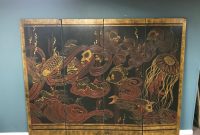
Floral motifs, deeply rooted in Chinese art and design, have captivated audiences for centuries. From intricate patterns adorning imperial palaces to contemporary interpretations gracing modern homes, this exploration delves into the rich history, diverse aesthetics, and enduring appeal of floral motifs in Chinese wallpaper. The evolution of these designs, reflecting cultural shifts and artistic influences, is a fascinating journey through time.
This analysis explores the historical context, diverse types of floral motifs, color palettes, materials, and production techniques. It also examines artistic styles, design elements, and modern interpretations. Finally, we will discuss applications, cultural significance, comparisons with other styles, and provide design inspiration.
Historical Context of Floral Motifs
Floral motifs, ubiquitous in Chinese art and design, are deeply intertwined with the nation’s cultural and historical narrative. From delicate depictions of blossoms on porcelain to expansive landscapes featuring flowering trees, these motifs have evolved alongside societal shifts, reflecting aesthetic preferences and cultural values. Their symbolic meaning has varied across dynasties, acting as potent visual representations of concepts ranging from prosperity to personal aspirations.Floral motifs are more than mere decorative elements in Chinese art.
They serve as a visual language, conveying intricate layers of meaning and historical context. The meticulous detail and symbolic weight assigned to each flower, branch, or leaf provide a unique insight into the aesthetics and values of different eras.
Evolution Through Dynasties
Floral motifs underwent significant transformations across China’s various dynasties. Early depictions, often found in jade carvings and bronze vessels of the Shang and Zhou dynasties, emphasized simplicity and stylized forms. The motifs were less naturalistic and more symbolic, reflecting the era’s focus on ritual and ceremony.The Han Dynasty saw a rise in naturalistic representations, with flowers depicted in greater detail and realism.
The introduction of Buddhism during this period also influenced the incorporation of lotus blossoms, symbolizing purity and enlightenment. This marked a shift towards more elaborate designs, paving the way for the rich and diverse floral motifs of subsequent dynasties.The Tang Dynasty, renowned for its aesthetic sophistication, showcased a flourishing of floral motifs in painting and ceramics. Sophisticated depictions of peonies, orchids, and chrysanthemums became popular, imbued with deeper symbolic meanings.
The aesthetic focus broadened to include a more refined appreciation for nature.The Song Dynasty further elevated floral motifs to a level of artistic expression. The emphasis shifted towards a more poetic and evocative portrayal of flowers, often integrated into landscapes or narrative scenes. This artistic movement saw an integration of aesthetic and philosophical ideas, reflecting the dynasty’s intellectual and artistic maturity.The Ming and Qing dynasties witnessed a resurgence of intricate floral patterns in porcelain and textiles.
The motifs often reflected the growing influence of wealthy patrons and courtly tastes. The motifs also reflected a renewed interest in classical aesthetics, combined with the vibrant artistry of the time.
Symbolic Meanings of Floral Motifs
Flowers in Chinese art are more than just aesthetic elements; they carry deep symbolic weight. Peonies, for instance, are associated with prosperity and good fortune. Orchids represent elegance and refinement, while plum blossoms symbolize resilience and perseverance in the face of adversity. Lotus flowers, often featured in Buddhist iconography, represent purity and enlightenment.These symbolic meanings often intertwine with specific cultural events or social values.
For instance, the prevalence of specific floral motifs in wedding ceremonies or imperial portraits reflects the significance attached to those flowers in the context of the era.
Connection to Social Status and Events
Floral motifs could be used to indicate social standing or commemorate specific events. The complexity and artistry of the motifs could reflect the wealth and status of the patron. The selection of specific flowers might symbolize auspicious occasions, such as weddings or births. The inclusion of these motifs in imperial portraits or commemorative objects emphasized the importance of the event and the person involved.
Comparison of Floral Motifs Across Dynasties
| Dynasty | Prevalent Motifs | Materials | Characteristics |
|---|---|---|---|
| Shang/Zhou | Stylized blossoms, leaves | Jade, bronze | Symbolic, less naturalistic |
| Han | Lotus, various blossoms | Porcelain, jade | More naturalistic, influence of Buddhism |
| Tang | Peonies, orchids, chrysanthemums | Paintings, ceramics | Sophisticated, detailed, refined aesthetics |
| Song | Integrated into landscapes, poetic representations | Paintings, porcelain | Evocative, philosophical, aesthetic |
| Ming/Qing | Intricate patterns, variety of flowers | Porcelain, textiles | Courtly tastes, complex, ornate |
Types of Floral Motifs

Chinese wallpaper, a rich tapestry of cultural expression, often features intricate floral motifs reflecting artistic sensibilities and historical narratives. These motifs transcend mere decoration; they are imbued with symbolic meaning, conveying social status, auspiciousness, and philosophical ideals. The selection of floral motifs is not arbitrary but rather a carefully curated representation of the cultural values and aesthetics of the time.Floral motifs in Chinese wallpaper demonstrate a spectrum of artistic styles, from realistic depictions to highly stylized and abstract interpretations.
The choice of motif often correlates with the intended use and the social context of the space being adorned. Understanding the types of floral motifs allows for a deeper appreciation of the cultural significance and aesthetic evolution of this decorative art form.
Common Floral Motifs
The most prevalent floral motifs in Chinese wallpaper include stylized representations of peony, lotus, chrysanthemum, and orchid. These flowers hold significant cultural symbolism and are frequently incorporated into decorative schemes. Other botanical elements, such as bamboo, plum blossoms, and various vines, are also common. Their inclusion is not simply aesthetic; each element carries its own symbolic weight, contributing to the overall narrative conveyed by the design.
Examples of Flowers and Plants
- Peony: A symbol of wealth, prosperity, and good fortune, the peony often graces high-status homes and auspicious occasions. Its large, showy blossoms and vibrant colors are frequently used in intricate patterns and elaborate arrangements.
- Lotus: Known for its purity and spiritual connotations, the lotus flower is a powerful symbol of enlightenment and rebirth in Buddhist traditions. Its elegant form and delicate beauty make it a popular choice for Chinese wallpaper, frequently depicted in blooming states or as part of larger, more complex compositions.
- Chrysanthemum: The chrysanthemum is associated with longevity and nobility, often featured in designs for auspicious occasions. Its intricate petals and diverse color variations add depth and visual interest to the wallpaper patterns.
- Orchid: Representing elegance, refinement, and beauty, the orchid is a favored choice for conveying sophistication and good taste. Its delicate form and graceful lines make it a popular subject for artistic expression in wallpaper designs.
- Bamboo: Symbolizing resilience, strength, and steadfastness, bamboo is a popular motif in Chinese wallpaper. Its tall, slender stalks and deep green color often complement other floral elements in balanced compositions.
Styles of Floral Designs
Chinese wallpaper designs exhibit a range of artistic styles in their depiction of floral motifs.
- Realistic: While not always the primary style, realistic depictions of flowers and plants provide a detailed and lifelike representation. This style is often used in conjunction with other motifs to create a balanced and comprehensive visual narrative.
- Stylized: Stylized floral designs are extremely common in Chinese wallpaper. The elements of the flower or plant are simplified, emphasizing their essential forms and contours while maintaining recognizable features. This style lends itself to intricate and detailed patterns.
- Abstract: Abstract representations of floral elements are less common but still present in some wallpaper designs. These designs focus on the essential forms and colors of flowers or plants without adhering to their realistic representations. This style can achieve a unique and evocative aesthetic.
Categorization of Floral Motifs
| Motif | Shape | Color | Complexity |
|---|---|---|---|
| Peony | Rounded, layered petals | Red, pink, white, or a mix | High, often with intricate details and large blossoms |
| Lotus | Symmetrical, layered petals | Pink, white, or other pastel shades | Medium to high, often featuring stems and leaves |
| Chrysanthemum | Irregular, complex petals | Yellow, white, orange, or a mix | Medium, with detailed patterns of petals |
| Orchid | Long, elegant, delicate | Purple, white, or yellow | Low to medium, often with a focus on the elegant form |
| Bamboo | Tall, slender, vertical lines | Green | Low, focusing on the structural element |
Colors and Color Palettes
Chinese floral wallpaper, a rich tapestry of artistry and tradition, is deeply intertwined with the symbolic language of color. These hues, carefully chosen and meticulously applied, conveyed specific meanings, reflecting societal values, philosophical ideals, and aesthetic preferences of different eras. The vibrant palettes, ranging from subtle pastels to bold, intense tones, not only beautified the spaces they adorned but also communicated a narrative to those who beheld them.The color choices in Chinese floral wallpaper were not arbitrary; they were deeply rooted in cultural and philosophical traditions.
Different colors held specific symbolic weight, representing virtues, emotions, and even the natural world. This rich symbolism, often drawing from Confucianism and Taoism, added another layer of depth and meaning to the already intricate patterns. The interplay of colors, their intensity, and their combinations, further amplified the aesthetic and symbolic impact of the wallpaper.
Typical Color Palettes
The color palettes used in Chinese floral wallpaper are diverse and often reflect the era in which they were produced. Commonly used colors include reds, blues, greens, yellows, and purples, often combined in harmonious ways. The use of gold and silver as accents was also prevalent, adding a touch of opulence and grandeur.
Symbolic Meanings of Colors
Certain colors held specific symbolic meanings in Chinese culture. Red, for instance, is often associated with good fortune, prosperity, and happiness, a prevalent color in celebratory occasions. Blue, representing the vastness of the sky, often conveyed tranquility and serenity. Green, symbolizing nature and growth, evoked a sense of vitality and abundance. Yellow, traditionally linked to the emperor and royalty, often signified power and prestige.
The combination of these colors, and their specific arrangements within the patterns, added complexity to their overall meaning.
Cultural and Aesthetic Significance of Color Combinations
Specific color combinations in Chinese floral wallpaper held distinct cultural and aesthetic significance. For example, the combination of red and gold often signified wealth and auspiciousness, frequently used in auspicious occasions. The use of soft pastels, such as pinks and lavenders, in certain periods might have represented femininity or a gentler aesthetic. The interplay of colors, including contrasts and harmonies, not only created visual appeal but also conveyed cultural messages, shaping the perception of the space and its occupants.
Color Palettes Across Eras
| Era | Typical Color Palettes | Symbolic Meanings |
|---|---|---|
| Ming Dynasty (1368-1644) | Rich reds, deep blues, and gold accents. | Representing prosperity, royalty, and auspiciousness. |
| Qing Dynasty (1644-1912) | A wider range of colors, including vibrant greens and purples, with continued use of gold and silver. | Reflecting the dynasty’s openness to new artistic influences and its continued emphasis on prosperity. |
| Republican Period (1912-1949) | More muted tones, with an increased use of pastels and natural colors. | Possibly reflecting a shift towards a more modern aesthetic and a broader cultural expression. |
Materials and Production Techniques

Traditional Chinese wallpaper, often featuring intricate floral motifs, relied on a variety of materials and sophisticated production methods. These techniques, passed down through generations, reflected the cultural values and artistic sensibilities of the time. The selection of materials and the precision of the design process contributed significantly to the enduring beauty and historical significance of these wallpapers.The materials employed in creating these floral-patterned wallpapers varied depending on the era and the intended use.
The techniques used for applying the motifs also evolved over time, reflecting advancements in printing and decorative arts. This evolution demonstrates a continuous refinement in the pursuit of aesthetic excellence and craftsmanship.
Common Materials Used
The primary materials used in traditional Chinese wallpaper production included paper, silk, and various natural fibers. Paper, often made from bamboo, hemp, or mulberry bark, was the most prevalent choice, providing a versatile base for the vibrant floral designs. Silk, prized for its luxurious texture and subtle sheen, was sometimes used for more elaborate or high-end wallpapers. Natural fibers, such as ramie or jute, were occasionally incorporated, adding a unique tactile element.
These materials were carefully prepared to ensure their suitability for intricate designs and long-lasting quality.
Methods of Creating Floral Designs
Several techniques were employed to create the delicate and detailed floral motifs on these materials. Block printing, a significant method, involved carving intricate designs into wooden blocks, inking them, and then transferring the designs onto the wallpaper. Hand-painting, often employed for more intricate and personalized designs, involved meticulous brushwork to achieve the desired aesthetic. Furthermore, stenciling allowed for the efficient reproduction of repeating patterns.
Evolution of Production Techniques
Over time, the methods for creating floral motifs evolved. Early techniques, such as block printing, relied heavily on manual labor. Later developments, like the introduction of lithography and woodblock printing, enhanced the efficiency of pattern reproduction, allowing for the creation of more elaborate and detailed designs. These advancements in printing technology significantly impacted the speed and scale of wallpaper production, influencing the broader availability of these decorative elements.
The Process of Creating a Floral Motif using Block Printing
Block printing, a foundational technique in traditional Chinese wallpaper production, involved several crucial steps:
- Design Creation: Skilled artisans meticulously carved the desired floral motif into a wooden block, ensuring precision and detail. The design was carefully considered to create a balanced and aesthetically pleasing composition.
- Block Preparation: The carved wooden block was then carefully prepared for ink application. This might involve smoothing the surface, ensuring a uniform ink distribution, and ensuring the block’s structural integrity.
- Ink Application: A special ink, often made from natural ingredients like vegetable dyes and resins, was applied to the carved surface of the block. This ink had to be carefully chosen to match the material of the wallpaper and to ensure its longevity.
- Paper Preparation: The paper intended for the wallpaper was meticulously prepared, often involving sizing and smoothing to ensure the ink adhered properly and the pattern was transferred clearly.
- Transferring the Design: The inked block was pressed firmly onto the prepared paper, transferring the design. Pressure and alignment were crucial to ensure a crisp and clear reproduction of the motif.
- Drying and Finishing: The printed paper was left to dry completely, ensuring the ink adhered firmly. After drying, the wallpaper might undergo additional finishing processes, such as smoothing or waxing, to enhance its appearance and durability.
Artistic Styles and Influences

Chinese floral wallpaper motifs, a rich tapestry of visual storytelling, evolved through a complex interplay of artistic styles and cultural exchanges. These patterns, often imbued with symbolic meaning, reflected the prevailing aesthetics of the era, from the delicate elegance of the Ming dynasty to the vibrant dynamism of the Qing. The influences of other cultures, both within and beyond Asia, left an indelible mark on the designs, creating a unique blend of indigenous traditions and foreign inspirations.The development of Chinese floral wallpaper motifs wasn’t isolated.
Instead, it was deeply connected to broader artistic movements, absorbing elements from various periods and geographic regions. These motifs, far from being static, were dynamic expressions of artistic innovation, adapting and evolving in response to shifting cultural priorities and the introduction of new materials and techniques. This resulted in a distinctive aesthetic that stands apart from other Asian traditions.
Main Artistic Styles Influencing Chinese Floral Wallpaper Design
The evolution of Chinese floral wallpaper motifs mirrored the country’s artistic landscape. From the elegant, stylized blossoms of the Song dynasty to the elaborate, naturalistic renderings of the Qing dynasty, each period contributed its unique character. The styles of calligraphy, painting, and porcelain decoration often found their way into wallpaper designs, enriching their visual vocabulary.
Influence of Other Cultures on Floral Motifs
While Chinese floral motifs possessed unique characteristics, they weren’t immune to external influences. The Silk Road, a vital conduit for cultural exchange, brought Persian, Central Asian, and even European artistic ideas into China. These influences were often subtly integrated into Chinese designs, blending seamlessly with existing traditions to create a hybrid aesthetic. For example, the incorporation of Persian floral patterns into Chinese porcelain designs demonstrates the adaptability of Chinese aesthetics to foreign inspirations.
Distinctive Characteristics of Chinese Floral Patterns
Chinese floral patterns often feature symbolic elements. The lotus, for instance, represents purity and enlightenment, while the peony signifies prosperity and abundance. The use of vibrant colors, often inspired by natural pigments, further distinguishes Chinese patterns. Additionally, the meticulous attention to detail and the intricate layering of motifs, often seen in the Qing dynasty’s elaborate patterns, set Chinese wallpaper apart.
These intricate designs showcased the skill and precision of the artisans involved in their creation. The overall sense of balance and harmony within these designs further distinguishes them.
Comparison of Chinese Floral Styles Versus Other Asian Styles
| Feature | Chinese Floral Styles | Japanese Floral Styles | Korean Floral Styles |
|---|---|---|---|
| Dominant Motifs | Lotus, peony, orchids, bamboo, chrysanthemum | Cherry blossoms, plum blossoms, bamboo, chrysanthemum | Magnolia, peony, lotus, chrysanthemum |
| Color Palette | Vibrant, often inspired by natural pigments | Subdued, often featuring pastel tones | Diverse, but often featuring cool colors |
| Artistic Style | Naturalistic, intricate details, often symbolic | Stylized, often with emphasis on line and form | Naturalistic, often with emphasis on elegance and simplicity |
| Cultural Significance | Represents prosperity, purity, and longevity | Represents beauty, tranquility, and renewal | Represents harmony, nature, and tradition |
This comparative table highlights the nuanced differences in artistic expression across various East Asian traditions. While shared influences exist, distinctive characteristics emerge in the specific motifs, color palettes, and artistic approaches employed by each culture.
Design Elements and Composition

Chinese floral wallpaper designs, a testament to artistic mastery, leverage sophisticated composition principles to create captivating visual experiences. These designs transcend mere decoration; they embody cultural narratives and aesthetic ideals, reflecting the rich tapestry of Chinese artistic traditions. The meticulous arrangement of motifs, colors, and patterns speaks volumes about the intended message and emotional impact.The principles of composition employed in these designs are deeply rooted in traditional Chinese aesthetics, prioritizing balance, harmony, and visual hierarchy.
Careful consideration of these elements ensures the wallpaper evokes a sense of tranquility, sophistication, and cultural resonance. Patterns are meticulously structured and repeated to create a unified and cohesive visual field, fostering a sense of order and elegance.
Principles of Composition
Chinese floral wallpaper designs often feature intricate patterns structured around core principles of balance and harmony. These principles are not merely aesthetic considerations; they are deeply embedded in the cultural ethos, reflecting a philosophy of equilibrium and interconnectedness. Achieving a visually satisfying and culturally relevant composition is paramount.
Pattern Structure and Repetition
The repetition of patterns in Chinese floral wallpaper is not random. Motifs are meticulously arranged to create a sense of order and visual flow. Symmetry, asymmetry, and radial patterns are employed, with each pattern choice serving a specific purpose in conveying the desired aesthetic. This calculated repetition is not merely decorative; it underscores the importance of structure and order in the design.
For instance, a repeating pattern of blossoming cherry blossoms may convey a sense of springtime renewal, while a pattern of peony blossoms may suggest prosperity and abundance.
Balance, Harmony, and Visual Hierarchy
The concept of balance is central to Chinese floral wallpaper design. Whether symmetrical or asymmetrical, the distribution of elements ensures a visual equilibrium, preventing any one section from overwhelming the others. Harmony is achieved through the careful selection of colors and the interplay of motifs. Visual hierarchy, too, is essential. Larger, more prominent motifs often take center stage, guiding the viewer’s eye and creating a focal point.
Subtle variations in size and placement of smaller motifs further enhance the visual narrative.
Common Composition Layouts
| Layout Type | Description | Visual Effect |
|---|---|---|
| Symmetrical | Motifs are mirrored on either side of a central axis. | Formal, balanced, and elegant. |
| Asymmetrical | Motifs are arranged in a non-symmetrical manner, creating a sense of dynamism and movement. | Unconventional, engaging, and visually interesting. |
| Radial | Motifs radiate outwards from a central point, often creating a sense of growth and expansion. | Dynamic, lively, and emphasizes a focal point. |
| Alternating | Motifs alternate in a regular or irregular pattern, generating a sense of rhythm and flow. | Visual interest, captivating the eye with the shifting patterns. |
A visual representation of these common layouts, including examples of their application in historical and contemporary Chinese floral wallpaper, would further enhance the understanding of these principles. The combination of these design elements and principles creates a rich tapestry of visual experiences that have captivated viewers for centuries.
Modern Interpretations of Floral Motifs

Traditional Chinese floral motifs, steeped in centuries of artistry and cultural significance, are undergoing a fascinating transformation in the contemporary design landscape. Modern designers are not simply replicating historical patterns; they are reimagining these motifs, adapting them to contemporary aesthetics and sensibilities, and integrating them into new contexts. This evolution reflects a deeper understanding of both the historical and the contemporary, creating a bridge between tradition and innovation.Contemporary interpretations of these motifs acknowledge the importance of their historical context while embracing a fresh perspective.
They are no longer solely decorative elements but are imbued with new meaning and purpose, reflecting a dynamic interplay between tradition and modernity. This adaptability allows the motifs to resonate with a broader audience while preserving their intrinsic cultural value.
Examples of Contemporary Interpretations
Contemporary interpretations of traditional Chinese floral motifs demonstrate a remarkable ability to blend the timeless elegance of the past with the vibrancy of the present. These designs transcend simple replication, transforming historical patterns into modern symbols. Examples range from intricate, digital prints on contemporary apparel to minimalist interpretations on home furnishings. These interpretations are not mere rehashings but demonstrate a sophisticated understanding of both the historical context and the contemporary aesthetic.
Adaptation to Modern Aesthetics
Modern interpretations often adapt traditional motifs to contemporary tastes by altering color palettes, scales, and compositions. For instance, the vibrant, saturated colors often associated with traditional motifs might be softened or muted to create a more calming or contemporary feel. Similarly, the scale of the floral elements can be reduced or enlarged to fit the design space and create a more dynamic visual impact.
The arrangement and composition of the motifs are also adjusted to better suit modern design principles, such as asymmetry and negative space. Contemporary designers also consider the materials used for modern interpretations, blending traditional techniques with modern materials.
Incorporation of Motifs into Contemporary Design
Contemporary designers incorporate these motifs into diverse applications, including textiles, home décor, and fashion. They are not limited to traditional media. The motifs find new life in graphic design, digital art, and even architecture. This broad application reflects the versatility and enduring appeal of the motifs. The incorporation often involves a subtle reinterpretation, altering the traditional form to create a more contemporary aesthetic without losing the essence of the original motif.
This modern interpretation can be seen in contemporary architecture, where traditional floral patterns are integrated into wall panels, creating a sophisticated blend of tradition and innovation.
Evolution from Traditional to Modern Designs
The evolution of floral motifs from traditional to modern designs is a testament to the adaptability of cultural heritage. Traditional designs often emphasized symmetry, intricate details, and vibrant colors. Modern interpretations, while drawing inspiration from these traditional elements, lean towards asymmetry, minimalist forms, and a wider range of color palettes. This evolution is not a rejection of the past, but rather an embracing of the past through a contemporary lens.
The modern interpretation of the motifs, therefore, reflects the ongoing dialogue between traditional aesthetics and contemporary design sensibilities.
Applications and Uses
Floral wallpaper, a time-honored decorative element, transcends its aesthetic appeal to become a powerful tool for transforming spaces. Its adaptability allows it to seamlessly integrate into diverse environments, from intimate homes to expansive commercial spaces, subtly shaping the ambiance and reflecting the intended mood. This versatility stems from the multitude of floral patterns and styles available, enabling designers to tailor the wallpaper to evoke specific feelings and enhance the overall design.The use of floral wallpaper is not merely about aesthetics; it’s a strategic choice that impacts the perceived size, lighting, and even the emotional response of a space.
Consideration of the intended use, the existing architectural elements, and the desired atmosphere is paramount in achieving a successful integration of floral wallpaper. Different types of floral motifs, colors, and design elements are best suited for specific applications.
Residential Applications
Floral wallpaper in residential settings allows for a high degree of personalization. The diverse range of patterns, from delicate botanical prints to bold, stylized blooms, can create a variety of moods. A subtle floral pattern in a light color palette can lend a sense of tranquility to a bedroom, while a vibrant, larger-scale floral print can invigorate a living room.
Careful selection of the wallpaper’s scale and color can visually enlarge or diminish a room, further highlighting its architectural features. In smaller spaces, delicate patterns can help to avoid overwhelming the room, while larger patterns can create a focal point. The overall effect can dramatically impact the emotional atmosphere of a home.
Commercial Applications
In commercial settings, floral wallpaper can be a valuable tool for brand building and atmosphere creation. For instance, a boutique or a spa might use a soft, feminine floral design to enhance a sense of luxury and calm. The application of floral patterns in restaurants or cafes can evoke a particular ambiance, influencing customer perception and experience. However, for corporate offices, floral wallpaper may be employed in a more subtle and modern manner, using geometric floral motifs or monochrome palettes to maintain a professional image.
The selection of the floral motif should be aligned with the brand’s image and the overall desired atmosphere.
Public Space Applications
Floral wallpaper in public spaces offers a unique opportunity to enhance the aesthetic appeal and create a more welcoming atmosphere. Public libraries or waiting rooms can benefit from floral patterns that promote relaxation and a sense of calm. The use of floral wallpaper in educational institutions can potentially stimulate creativity and a sense of community. The choice of design and scale should be considered carefully to ensure that the wallpaper complements the functionality of the space and the intended atmosphere.
Design Considerations
Successful integration of floral wallpaper demands careful consideration of several factors. The scale and complexity of the pattern should be appropriate to the size and architectural features of the space. For example, a large, intricate pattern might overwhelm a small room, whereas a delicate pattern might be lost in a large space. The color palette of the wallpaper should harmonize with the existing color scheme of the room.
Natural light, or the absence thereof, significantly impacts the overall effect of the wallpaper. For example, a bold pattern in a dimly lit space might appear overwhelming, whereas a subtle pattern can help to brighten up a room with limited natural light.
Application Table
| Application | Best Suited Floral Pattern |
|---|---|
| Residential Bedrooms | Delicate botanical prints, soft pastel colors, calming floral arrangements |
| Residential Living Rooms | Bold, large-scale floral prints, vibrant colors, patterns that add energy and personality |
| Commercial Boutiques | Soft, feminine floral designs, delicate patterns, pastel color schemes |
| Restaurants/Cafes | Floral motifs that evoke a specific ambiance, such as vintage or romantic themes |
| Public Libraries/Waiting Rooms | Relaxing, subtle patterns, calming color palettes, gentle floral arrangements |
Cultural Significance of Floral Motifs
Beyond aesthetic appeal, Chinese floral motifs in wallpaper carry deep cultural significance, reflecting philosophical ideals, societal values, and historical narratives. These intricate patterns often symbolize virtues, evoke emotions, and serve as visual metaphors for complex concepts, adding a layer of meaning to the decorative art. The choice of flower, its arrangement, and its color all contribute to the overall message.Floral designs in Chinese wallpaper aren’t merely decorative elements; they are imbued with symbolic weight, capable of conveying a narrative or a feeling.
From auspicious blossoms representing prosperity to delicate depictions of seasonal change, these motifs offer a glimpse into the mindset and values of the era in which they were created. Understanding these symbols is crucial to appreciating the full impact of the wallpaper and its historical context.
Floral Symbolism and Meanings
Chinese culture has rich traditions of associating flowers with specific meanings. The selection of a particular flower or its placement within the design carries a specific message. For instance, the peony, renowned for its vibrancy and beauty, often signifies wealth and prosperity. The lotus, frequently depicted, symbolizes purity and enlightenment. Other flowers, like the plum blossom, represent resilience and enduring beauty in the face of adversity.
Floral Designs and Atmospheric Creation
Wallpaper designs can evoke a strong sense of place and atmosphere. For instance, lush depictions of blossoming cherry trees in spring wallpaper might create a vibrant and joyful ambiance, while muted autumnal colors and wilting flowers might suggest a more contemplative or nostalgic mood. These visual cues subtly shape the perception and emotional response to the space. The careful arrangement of flowers within the design can also create a sense of harmony and balance, further contributing to the desired atmosphere.
Interpretations of Floral Symbolism
“The choice of flowers in Chinese art isn’t arbitrary; each carries a specific cultural meaning. From the vibrant peony symbolizing wealth to the delicate orchid representing grace, the motifs offer a glimpse into the values and ideals of the era. The careful arrangement and color palette further amplify the message, creating a layered narrative woven into the very fabric of the design.” — Various Chinese art historians and scholars
Comparison with Other Styles
Chinese floral wallpaper, a rich tapestry of tradition and artistry, showcases a distinct aesthetic compared to other cultural expressions. Its motifs, colors, and compositions reflect a unique historical and philosophical context. Examining these designs alongside those from other cultures reveals both shared and divergent characteristics, shedding light on the global influence of floral imagery.
Key Differences and Similarities in Floral Motifs
The use of floral motifs in Chinese wallpaper often features stylized, symbolic blossoms, evoking specific cultural values. In contrast, other cultures, like those of Europe, might emphasize realism or specific species of flowers. Similarities can be found in the overarching theme of beauty and nature, but the approach to representing these elements differs greatly. For example, the delicate peony in Chinese design often represents prosperity and good fortune, a concept absent in other styles.
Similarly, the intricate details of Chinese floral motifs often reflect the craftsmanship and meticulousness of traditional techniques.
Impact of Geographical and Historical Factors
Geographical factors profoundly influenced the motifs and aesthetics of floral wallpaper. China’s vast landscape, encompassing diverse flora, directly shaped the imagery within its designs. Historical influences, such as the Tang dynasty’s emphasis on elegance and refinement, or the Ming dynasty’s celebration of luxury, are mirrored in the sophistication and grandeur of the floral motifs. These historical periods influenced the symbolism and aesthetic qualities of the patterns.
Comparison Table: Chinese Floral Wallpaper vs. Other Styles
| Feature | Chinese Floral Wallpaper | Japanese Floral Wallpaper | European Floral Wallpaper |
|---|---|---|---|
| Motifs | Stylized, symbolic (e.g., peony, lotus); often represent cultural values and auspicious meanings. | Stylized, often with a focus on elegance and simplicity; nature-inspired with an emphasis on natural forms. | More realistic depictions of flowers, often featuring specific species; emphasis on naturalism and botanical accuracy. |
| Colors | Rich and vibrant, often reflecting specific periods and cultural preferences (e.g., deep reds, blues, golds); often include auspicious color combinations. | Subtle and harmonious color palettes, often featuring natural tones (e.g., greens, browns, blues); incorporating subtle patterns and contrasts. | Wide range of colors, from pastel shades to bold hues, frequently reflecting the seasonality or availability of the flowers depicted. |
| Composition | Intricate, often with hierarchical arrangements and symbolic placement; frequently incorporating auspicious patterns. | Balanced and harmonious, often featuring repetitive patterns and symmetrical compositions; incorporating flowing lines and elegant forms. | Varied compositions, ranging from symmetrical to asymmetrical; often featuring natural settings or scenes. |
| Historical Context | Reflects dynastic periods and cultural values; influenced by philosophical traditions and artistic movements. | Reflects Zen aesthetics and a focus on nature; influenced by historical events and artistic trends. | Reflects European artistic movements, such as Rococo and Victorian eras; influenced by botanical illustrations and artistic styles. |
Design Inspiration
Chinese floral motifs, rich in history and cultural significance, offer a compelling source of inspiration for contemporary design. Their enduring appeal lies in their ability to seamlessly blend traditional aesthetics with modern sensibilities. From intricate patterns to symbolic representations, these motifs can be reimagined and reinterpreted for diverse applications, fostering a unique dialogue between past and present.
Examples of Designs Incorporating Chinese Floral Motifs
Traditional Chinese floral patterns, often featuring peonies, lotuses, orchids, and chrysanthemums, can be integrated into contemporary designs without sacrificing their historical essence. A striking example is the use of stylized peony blossoms in a modern living room, where the intricate details are subtly highlighted by a neutral color palette. This approach allows the motif to act as a focal point without overwhelming the space.
Another instance is incorporating lotus flower patterns into a minimalist kitchen design, where the delicate lines of the motif contrast with the clean, modern forms.
Contemporary Designs in Modern Settings
Integrating Chinese floral motifs into modern settings requires careful consideration of the context and the desired effect. For instance, a modern minimalist bedroom can incorporate a subtle, scaled-down version of a traditional Chinese floral pattern in the headboard or bedspread. The use of a muted color palette, like soft blues and greens, can further enhance the serene and sophisticated ambiance.
Alternatively, a contemporary restaurant can use bold, stylized versions of these motifs in the tableware or wall art, creating a visually engaging atmosphere that evokes a sense of elegance and sophistication.
Methods of Incorporating Patterns into Contemporary Design
Several methods can be employed to effectively incorporate Chinese floral motifs into contemporary design. One approach involves simplifying the traditional patterns, making them more streamlined and modern. This can be achieved through techniques like reducing the complexity of the floral forms or using a smaller scale. Another method involves abstracting the motifs, transforming them into stylized or symbolic representations.
This allows for a more contemporary interpretation while retaining the essence of the original design. A third method is to juxtapose the traditional motifs with contemporary design elements, such as geometric shapes or minimalist lines, creating a visually stimulating contrast. For example, incorporating a stylized lotus motif into a geometrically patterned rug or using a simplified peony pattern as a decorative element on modern furniture.
Examples of Use in Different Contexts
Chinese floral motifs can be incorporated into various contexts, from interior design to fashion and product design. In interior design, these motifs can enhance the aesthetics of homes, offices, or public spaces. For instance, a modern office can incorporate subtle floral patterns in the flooring or wall panels, creating a sophisticated and welcoming environment. In fashion, these motifs can be featured in clothing, accessories, or textiles, adding a touch of elegance and cultural richness.
Similarly, product design can utilize these patterns to enhance the visual appeal and cultural identity of products, from ceramics and tableware to home décor and furniture. The examples are diverse and span different industries, highlighting the universal appeal of Chinese floral motifs.
Closure
In conclusion, Chinese floral wallpaper showcases a captivating blend of tradition and innovation. From the symbolism of specific flowers to the evolving techniques of production, the designs reflect a rich cultural heritage. This analysis offers a comprehensive overview of these captivating patterns, their historical significance, and enduring appeal, inspiring both appreciation for the past and a vision for the future of these elegant motifs.