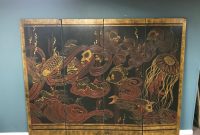
Warm neutral Indonesian decor offers a captivating blend of natural beauty and modern sophistication. Inspired by the rich culture of Indonesia, this style seamlessly integrates natural materials with calming color palettes, creating a serene and inviting atmosphere. Beyond aesthetics, the design choices often reflect a deep respect for the environment, showcasing sustainable and ethical practices.
This style is perfect for those seeking a tranquil retreat within their homes. Key features include the use of natural materials like bamboo and rattan, alongside warm neutral color palettes. The focus on natural light and open spaces further enhances the sense of serenity and spaciousness.
Defining Warm Neutral Indonesian Decor
Warm Neutral Indonesian decor evokes a sense of tranquility and sophistication, drawing inspiration from the rich cultural heritage and natural beauty of Indonesia. This style blends traditional Indonesian elements with modern aesthetics, creating a welcoming and visually appealing ambiance. The emphasis is on natural materials, muted tones, and a harmonious balance of form and function.This style prioritizes comfort and functionality while showcasing the artistry and craftsmanship inherent in Indonesian design.
It transcends simple imitation of traditional motifs, instead incorporating them in a contemporary way that appeals to a global audience seeking an authentic yet modern aesthetic.
Core Characteristics and Aesthetic Elements
Warm Neutral Indonesian decor is characterized by a calming aesthetic, focusing on natural textures and warm, neutral color palettes. The design philosophy leans towards simplicity and functionality, often incorporating elements that reflect a connection to nature. Key elements frequently include handcrafted furniture, intricate textiles, and natural light, all carefully curated to evoke a sense of serenity and comfort.
Cultural Influences
Indonesian design draws heavily from its diverse archipelago, spanning from the Javanese to Balinese traditions. The intricate carvings, woven textiles, and use of natural materials reflect the nation’s rich artistic heritage. Traditional patterns and motifs, though often modernized, are integral to the style, conveying a deep respect for cultural heritage. The use of natural materials like rattan, wood, and bamboo further emphasizes the connection to the environment.
Color Palettes
The color palettes in Warm Neutral Indonesian decor are typically soft and earthy, reflecting the natural beauty of the Indonesian landscape. Muted tones like beige, cream, taupe, and various shades of brown are prevalent. These colors are complemented by accents of deep, rich earth tones such as terracotta, ochre, and dark greens, which bring warmth and depth to the space.
The use of these colors creates a serene and inviting atmosphere.
Key Materials
The choice of materials is crucial to achieving the aesthetic of Warm Neutral Indonesian decor. Natural materials such as teak wood, rattan, bamboo, and woven fabrics are commonly used. Teak, renowned for its durability and rich color, is often employed for furniture. Rattan and bamboo are used for both furniture and decorative accents, showcasing the craftsmanship and natural beauty of these materials.
Woven textiles, such as batik and Ikat, add texture and pattern, further enriching the overall design. The use of natural materials ensures a connection to the environment and fosters a sense of sustainability.
Furniture and Accessories
Warm neutral Indonesian decor prioritizes understated elegance and a connection to nature. This aesthetic transcends fleeting trends, emphasizing timeless pieces and natural materials. Key to its appeal is the balance between traditional Indonesian craftsmanship and contemporary comfort.Furniture choices reflect the Indonesian approach to living, blending practicality with artistic flair. Accessories add subtle pops of color and pattern, drawing inspiration from local artistry.
Textiles play a vital role in defining the overall ambiance. This approach contrasts with other styles that might lean heavily on bold patterns or excessive ornamentation.
Typical Furniture Pieces
Indonesian furniture often showcases intricate carvings and natural finishes. Think of low, wide sofas made from teak or acacia wood, complemented by intricately carved side tables and coffee tables. These pieces are often designed with storage in mind, reflecting a practical approach to living. Examples include traditional Javanese-style chairs with woven rattan backs, or simple, modern armchairs with a natural wood frame and a comfortable upholstered seat.
Appropriate Accessories
Accessories should complement, not overwhelm, the warm neutral palette. Hand-woven baskets, ceramic pottery with natural tones, and strategically placed wall hangings of Indonesian batik prints are excellent choices. Textiles such as woven placemats, cushions, and throws add texture and depth to the space, drawing inspiration from traditional Indonesian motifs. These elements create a sense of place and culture without overpowering the overall aesthetic.
Textiles in Warm Neutral Decor
Textiles are crucial for achieving the warm neutral aesthetic. Woven fabrics like batik, Ikat, and Songket add pops of color and pattern, echoing Indonesian traditions. Natural fibers like linen, cotton, and silk contribute to the comfortable, breathable ambiance. Rattan and bamboo add natural textures and a sense of lightness, and these materials are commonly used in textiles and accessories, providing a sense of the Indonesian landscape.
Comparison with Similar Styles
This style differs from Scandinavian design in its incorporation of intricate carvings and woven patterns, reflecting a distinct cultural heritage. While both lean towards natural materials, Indonesian decor often features a richer, more textured palette. Compared to bohemian decor, the warm neutral Indonesian style avoids excessive layering and focuses on a more refined, balanced aesthetic. The emphasis on traditional craftsmanship sets it apart from minimalist designs, which typically favor clean lines and a less ornate approach.
Living Room Arrangement
A basic living room arrangement in this style might feature a low, wide sofa in teak wood, positioned against a wall with a large Indonesian batik print. A woven rattan coffee table sits in front of the sofa, flanked by smaller side tables with hand-carved details. Natural fiber rugs define seating areas. Cushions and throws in various shades of beige, cream, and terracotta add warmth and texture.
A collection of ceramic pottery or hand-woven baskets strategically placed throughout the room completes the arrangement.
Wall Decor and Lighting

Warm neutral Indonesian decor emphasizes natural elements and understated elegance. Careful consideration of wall decor and lighting choices is key to achieving the desired ambiance. These elements should complement the space’s natural light and create a serene, inviting atmosphere.Indonesian aesthetics often incorporate a sense of balance and harmony. This translates to the use of muted colors, natural materials, and thoughtfully chosen pieces that speak to the rich cultural heritage of the region.
The goal is to create a space that feels both sophisticated and approachable.
Wall Decor Options
The selection of wall decor is crucial in establishing the overall mood of the space. Warm neutral Indonesian decor often features pieces that evoke a sense of tranquility and connection to nature. Consider incorporating framed botanical prints, delicate watercolor paintings depicting Indonesian landscapes, or handcrafted wooden sculptures that depict traditional motifs. These pieces can introduce pops of color or texture without overwhelming the room’s serene atmosphere.
- Botanical Prints: Botanical prints, particularly those showcasing local flora and fauna, introduce a sense of the natural world into the space. They are perfect for bringing a touch of nature’s beauty indoors.
- Hand-painted or Hand-drawn Prints: These pieces offer a personal touch and a connection to Indonesian artistry. They can feature traditional motifs or contemporary interpretations.
- Sculptures: Wooden or stone sculptures depicting traditional Indonesian figures or animals can add a touch of elegance and cultural significance. Choose pieces that complement the room’s existing color palette.
Lighting Fixtures
Lighting fixtures play a vital role in setting the ambiance. Choosing the right fixtures is paramount in a warm neutral Indonesian space. Consider using pendant lights with natural materials, such as rattan or bamboo. Alternatively, wall sconces with a warm, diffused light source are an excellent choice for a more intimate feel.
- Pendant Lights: Rattan or bamboo pendant lights can introduce a sense of natural warmth and visual interest. They can be used in dining areas, living rooms, or above a kitchen island.
- Wall Sconces: Wall sconces, with their soft, diffused light, are ideal for creating a relaxed atmosphere in bedrooms, hallways, or living rooms.
- Floor Lamps: Floor lamps with natural-toned shades, such as linen or rattan, offer a subtle, ambient light source, perfect for adding a touch of warmth to a corner of a living room or bedroom.
Maximizing Natural Light
Natural light is crucial in achieving the desired ambiance. Maximize the use of natural light by ensuring large windows are unobstructed. Strategically placed mirrors can reflect natural light, brightening the space and creating a sense of openness.
- Large Windows: Maximize the use of natural light by ensuring large windows are unobstructed by heavy curtains or furniture.
- Mirrors: Strategically placed mirrors can reflect natural light, increasing brightness and creating a sense of spaciousness. Position mirrors opposite windows or in areas where light needs to be amplified.
Ambient Lighting
Ambient lighting is essential for creating a warm and inviting atmosphere. Layering different light sources, from ambient to task lighting, is crucial in warm neutral Indonesian decor. Warm-toned LED bulbs are a great choice for ambient lighting, creating a cozy and inviting feel.
- Warm-toned LED Bulbs: Warm-toned LED bulbs create a cozy and inviting atmosphere. They provide the perfect level of brightness without harsh glare.
- Layered Lighting: Combining ambient, task, and accent lighting is important. This creates a multi-dimensional feel, adding depth and interest to the space.
Creating a Focal Point with Lighting
A well-placed lighting fixture can create a focal point in a room. A statement chandelier, a dramatic pendant light, or a beautifully designed floor lamp can draw the eye and highlight a specific area. This can enhance the visual appeal of a space and create a point of interest within the overall design.
Flooring and Textiles
Warm neutral Indonesian decor often embraces the natural beauty of the region, and flooring and textiles play a crucial role in achieving this aesthetic. Natural materials, earthy tones, and subtle patterns are key elements in creating a sense of serenity and connection to the environment. The use of textures and patterns adds depth and visual interest to the space, while maintaining the overall harmony of the design.The careful selection of flooring and textiles is essential in establishing the warm, inviting atmosphere characteristic of Indonesian design.
These elements create a sense of place, connecting the interior to the surrounding environment and its natural beauty. The interplay of light and shadow, achieved through the use of natural materials and textures, further enhances the overall aesthetic appeal.
Suitable Flooring Options
Indonesian-inspired spaces benefit from natural flooring materials that complement the warm, neutral palette. Hardwood floors, often in light shades of oak or teak, provide a classic and timeless aesthetic. Alternatively, bamboo flooring, known for its durability and natural beauty, is an excellent choice for creating a warm and inviting atmosphere. The natural grain of bamboo adds visual interest while remaining in harmony with the overall aesthetic.
Consider also ceramic tiles in neutral tones, or even woven or natural fiber rugs that can be layered for an added texture and visual appeal.
Appropriate Rugs and Carpets
Rugs and carpets are essential elements in Indonesian-style decor, adding warmth, texture, and visual interest to the space. Natural fiber rugs, such as those made from jute, sisal, or seagrass, are ideal choices, as they bring a sense of natural elegance. These rugs are often hand-woven, showcasing intricate patterns and textures that are characteristic of Indonesian craftsmanship. Jute rugs are particularly effective in large areas, while sisal rugs provide a textured base in smaller rooms.
Layer rugs of different sizes and textures to add depth and visual interest. Geometric patterns, often inspired by Indonesian batik designs, can add a touch of cultural flair without overpowering the overall neutral palette.
Natural Fibers in Textiles and Accessories
Natural fibers are a key element in warm neutral Indonesian decor. The use of fabrics such as cotton, linen, and silk, often in natural colors, provides a comfortable and breathable atmosphere. These materials also add a touch of elegance and refinement to the space. The softness of linen and silk against the skin creates a comforting and inviting environment.
Incorporating Textures and Patterns
Textures play a crucial role in creating depth and visual interest in a warm neutral Indonesian space. Combine different textures, such as the smooth surface of linen with the rough texture of a jute rug. Patterns can be introduced in subtle ways, such as through the use of woven textiles, or through the natural grain of bamboo or wood flooring.
Geometric patterns, inspired by Indonesian batik, can add a touch of cultural flair without overpowering the overall neutral palette.
Natural Materials: Bamboo and Rattan
Bamboo and rattan are natural materials that are commonly used in Indonesian design. Bamboo can be incorporated into furniture, wall decor, and even flooring. Rattan is frequently used for furniture, wall hangings, and baskets. These materials bring a sense of natural beauty and elegance to the space, creating a connection to the environment. They are also sustainable materials, contributing to an environmentally conscious design approach.
Consider the natural variations in the color and texture of bamboo and rattan to add visual interest. For example, the varying shades of a bamboo screen can create a subtle pattern.
Spatial Design and Layout
Indonesian-style decor often prioritizes a sense of openness and harmony with nature. Careful consideration of room layouts is crucial to achieving this aesthetic. The use of natural light and ventilation, along with strategically placed furniture and accessories, can significantly impact the overall ambiance.Open spaces and carefully chosen furniture arrangements are key elements in creating a sense of spaciousness and flow within the home.
This approach not only maximizes visual appeal but also encourages interaction and a sense of calm, mirroring the Indonesian philosophy of living in balance with nature.
Common Room Layouts
Indonesian-style homes frequently feature open-plan living areas that seamlessly connect the indoor and outdoor spaces. Living rooms often integrate dining areas, creating a sense of shared activity. Bedrooms typically incorporate dressing areas or sitting nooks, providing a sense of calm and reflection. These layouts often feature low-slung furniture, promoting a sense of relaxed intimacy.
Creating a Sense of Space
Maximizing natural light is a fundamental aspect of creating a sense of space in Indonesian-style decor. Large windows, light-colored walls, and strategically placed mirrors can significantly enhance the feeling of openness. Using mirrors to reflect light and create depth in smaller rooms is a common technique. Furniture arrangements should allow for easy movement and visual flow, avoiding clutter and maximizing the perception of space.
Open Spaces and Their Incorporation
Open spaces are central to Indonesian-style decor, often achieved through the seamless flow between indoor and outdoor areas. A common strategy is to use sliding doors or screens that can be retracted or removed, allowing for a transition between different areas of the home. This creates a flexible environment that can adapt to different activities and needs. Porches and balconies are often designed as extensions of the living space, providing additional areas for relaxation and interaction with the surrounding environment.
Indoor Plants in Design
Incorporating indoor plants is a hallmark of Indonesian-style decor. This adds a touch of nature to the interior spaces, promoting a sense of calm and connection to the outdoors. A variety of plant sizes and types, from tall palm trees to cascading vines, can be strategically placed to add visual interest and a touch of vibrancy. Consider the light requirements of each plant species and choose locations accordingly to promote healthy growth and optimal visual impact.
Symmetry and Asymmetry
Indonesian-style decor often utilizes both symmetry and asymmetry. Symmetrical arrangements, such as paired furniture or decorative items, create a sense of balance and order. However, asymmetry is also used to add visual interest and dynamism. The skillful interplay of these two elements contributes to a harmonious and aesthetically pleasing design, creating a unique visual experience. Examples of this include carefully balanced but not precisely matched wall decor or asymmetrical arrangements of indoor plants.
Color Palettes and Mood

Warm neutral Indonesian decor, drawing inspiration from the nation’s rich cultural heritage, emphasizes a sense of tranquility and comfort. Color palettes play a pivotal role in establishing the desired mood and ambiance. The careful selection of hues not only reflects the aesthetic but also impacts the emotional response of those within the space.The emotional impact of colors extends beyond simple aesthetics.
Warm neutrals, combined with strategic accents, can cultivate a feeling of serenity and relaxation, mirroring the serene atmosphere often found in Indonesian landscapes and traditions.
Color Palette Examples
The following table presents 3 color palettes representative of warm neutral Indonesian decor. Each palette is designed to evoke a distinct mood, emphasizing the interplay between color temperature, saturation, and harmony.
| Palette | Primary Colors | Accent Colors | Emotional Impact |
|---|---|---|---|
| Earthy Elegance | Beige, Cream, Light Brown | Deep terracotta, muted olive green | This palette evokes a sense of groundedness and tranquility. The earthy tones create a comforting atmosphere, while the subtle accents add depth and visual interest. |
| Coastal Calm | Off-white, Light Gray, Sand Beige | Pale blues, seafoam green, soft coral | Inspired by Indonesian coastal regions, this palette promotes a sense of serene relaxation. The soft colors create a tranquil atmosphere, perfect for a bedroom or living space. |
| Rustic Sophistication | Natural wood tones (light brown, dark brown), Cream | Dusty rose, burnt orange, muted gold | This palette blends rustic charm with modern sophistication. The natural tones connect with the Indonesian aesthetic, while the warm accents add a touch of luxury and personality. |
| Botanical Bliss | Warm beige, taupe, light gray | Deep greens, pale pinks, muted yellows | This palette draws inspiration from the lush Indonesian flora. The greens evoke a sense of freshness and vitality, while the softer colors maintain a sense of tranquility. |
Choosing Warm and Tranquil Colors
Selecting colors that evoke warmth and tranquility involves considering the psychological impact of different hues. Warm colors, like terracotta and burnt orange, create a cozy and inviting ambiance, while cool colors, like muted blues and greens, promote relaxation and serenity. Neutral colors like beiges, creams, and grays serve as a foundation, allowing the warm accents to stand out.
Defining Areas with Color
Color can be used to define different areas within a room, creating visual separation without the need for physical dividers. For instance, a living area might use a warmer palette to encourage relaxation, while a dining area might incorporate richer colors for stimulating conversation. Using varying shades and tones of the same palette across different zones creates visual harmony while maintaining distinct areas.
Neutral Colors and Spaciousness
Neutral colors, such as beiges, creams, and grays, can effectively create a sense of spaciousness in a room. By reflecting light, these colors make the space appear larger and more open. Strategically incorporating mirrors and light-colored flooring can further enhance this effect. A room designed with warm neutral Indonesian decor, using neutral colors in the majority of the design, will naturally feel open and airy.
Materials and Textures
Warm neutral Indonesian decor often embraces the natural beauty of the region. This aesthetic prioritizes materials that evoke a sense of place and comfort, drawing inspiration from local craftsmanship and sustainable practices. The careful selection of textures is crucial for creating visual interest and depth, adding warmth and character to the overall ambiance.
Material Comparisons
The choice of materials in Indonesian-inspired design often leans toward natural options. This preference is rooted in a deep connection with the environment and a focus on sustainable practices. The use of natural materials fosters a sense of tranquility and connection to nature.
| Material | Characteristics | Potential Applications | Considerations |
|---|---|---|---|
| Wood (e.g., teak, bamboo) | Strong, durable, warm tones, natural grain patterns | Flooring, furniture, wall panels, decorative accents | Maintenance requirements, potential for weathering |
| Rattan/Wicker | Lightweight, flexible, intricate patterns, natural color variations | Furniture (chairs, baskets, screens), wall decor, ceiling accents | Susceptibility to moisture, potential for damage |
| Stone (e.g., marble, limestone) | Durable, cool tones, natural veining, often polished or textured | Flooring, countertops, fireplace surrounds, decorative elements | Weight, cost, potential for moisture absorption |
| Textiles (e.g., silk, linen, cotton) | Soft, breathable, varied textures and colors | Curtains, upholstery, throws, cushions, tablecloths | Maintenance, potential for fading or staining |
Natural Materials
Natural materials are central to Indonesian decor. The use of teak wood, for instance, is common in furniture, reflecting the region’s rich woodworking traditions. Bamboo is another frequently utilized material, offering a lightweight and sustainable alternative. The integration of natural materials creates a sense of harmony with the surrounding environment, echoing the spirit of Indonesian design.
Texture’s Role
Texture plays a vital role in creating visual interest and depth within a space. By carefully combining different textures, designers can create a sense of dimension and tactile appeal. A smooth stone surface contrasted with a woven rattan chair, for instance, introduces visual contrast and creates a more engaging environment. The interplay of textures enhances the overall aesthetic appeal and adds a layer of complexity to the design.
Using Textures for Depth
A variety of textures can be employed to achieve depth. For example, a smooth, polished stone floor can be contrasted with the rough, woven texture of a jute rug. The contrast adds visual interest, while the interplay of textures creates a sense of depth and sophistication. The use of different textures within a room should be intentional and purposeful.
Balancing Textures
Balancing different textures is key to achieving a cohesive and harmonious design. A room with too many contrasting textures can feel chaotic. Instead, consider creating a layered effect. For example, a smooth linen curtain can be paired with a textured wool throw, and both balanced with the natural wood tones of the furniture. The key is to create a visual narrative that is both interesting and balanced.
Inspiration and Visual Examples

Warm neutral Indonesian decor, with its emphasis on natural materials and serene aesthetics, draws inspiration from the nation’s rich cultural heritage and the beauty of its natural landscapes. This style transcends mere replication, instead weaving together traditional elements with contemporary design sensibilities. The result is a sophisticated and inviting ambiance that resonates with a sense of timeless elegance.The visual examples below showcase a spectrum of interpretations within the warm neutral Indonesian decor theme, demonstrating how varied yet cohesive this style can be.
By exploring these diverse approaches, one can gain a deeper understanding of how to create a personalized and harmonious space.
Inspirational Visual References
Warm neutral Indonesian decor often features a combination of textures and patterns that evoke the Indonesian archipelago. Visual references can be drawn from traditional Indonesian architecture, natural elements, and contemporary design interpretations. Think of the interplay of light and shadow within traditional Javanese homes, the rich hues of batik fabrics, and the intricate carvings of Balinese furniture. These elements can be reinterpreted in a modern context to create unique and visually appealing spaces.
Visual Style Examples
| Visual Style | Inspiration | Description |
|---|---|---|
| Serene Coastal Retreat | Drawing from the serene coastal landscapes of Indonesia, this style utilizes soft, natural tones with a focus on tranquility. | Imagine a living room with whitewashed walls, light-colored wood furniture, and woven rattan accents. Large windows offer panoramic views of a garden or courtyard. The use of natural fibers like jute and sisal adds a tactile dimension. The overall effect is one of calm and inviting relaxation. |
| Sophisticated Javanese Living | Inspired by traditional Javanese homes, this style emphasizes rich textures, intricate patterns, and natural light. | Visualize a living space with dark-toned wood furniture, adorned with intricate carvings. Soft, warm lighting accentuates the architectural details. Batik textiles and woven tapestries create a sense of history and artistry. |
| Modern Balinese Oasis | This style draws on the beauty and serenity of Balinese architecture, incorporating contemporary design elements. | Imagine a bedroom with light-colored walls, complemented by natural wood furnishings. The space utilizes ample natural light and airy textiles, such as linen and cotton. A focus on minimal, yet impactful décor creates a modern and tranquil ambiance. |
| Rustic Indonesian Farmhouse | Inspired by the rustic charm of Indonesian villages, this style incorporates natural materials and organic forms. | Picture a dining room with exposed wooden beams and floors. Natural stone accents and earthenware pottery add a sense of rustic warmth. The color palette leans towards earthy tones, and the overall design prioritizes functionality and comfort. |
| Urban Indonesian Loft | Combining modern city living with Indonesian aesthetics, this style showcases a blend of minimalist design with natural elements. | Visualize a loft apartment with large windows, allowing abundant natural light to fill the space. Concrete floors and exposed brick walls are softened by the addition of light-colored wooden furniture and woven textiles. |
Combining Elements for Cohesion
To achieve a cohesive design, it is crucial to carefully consider the interplay of various elements. For instance, the selection of furniture should complement the chosen color palette and overall aesthetic. Textiles, such as curtains and rugs, should echo the patterns and colors found in wall decor and furniture. Careful attention to lighting and spatial layout can further enhance the ambiance.
Lighting should be warm and ambient, creating a sense of intimacy and comfort. The layout should facilitate a seamless flow between different areas, fostering a sense of unity and spaciousness.
Distinguishing Elements
Warm neutral Indonesian decor stands apart from other styles through its distinctive blend of cultural heritage and contemporary design. Key elements include the emphasis on natural materials like wood, rattan, and stone; the use of warm, neutral color palettes; and the incorporation of traditional Indonesian patterns and motifs. This unique combination distinguishes it from more minimalist styles or those focused solely on modern aesthetics.
Practical Considerations

Warm neutral Indonesian decor, while aesthetically pleasing, demands a practical approach to ensure long-term enjoyment and maintain its charm. This involves thoughtful choices regarding storage, material durability, and a sustainable perspective, all crucial for transforming the vision into a lived-in reality. Balancing style with practicality is essential to avoid compromising either element.Careful planning and execution are key to integrating the desired aesthetic into a functional and sustainable living space.
Practical considerations often influence design decisions, leading to a space that seamlessly blends beauty with everyday use.
Balancing Style with Functionality
Careful planning and consideration of furniture placement are vital. A well-designed layout not only enhances the visual appeal but also maximizes space utilization. For example, a low, wide sideboard, common in Indonesian style, can serve as a stylish storage solution while also providing a surface for displaying decorative items. Likewise, built-in storage solutions, such as shelving or cabinets, can seamlessly integrate into the design, providing ample space for storing belongings without compromising the aesthetic.
Mirrors strategically placed can visually expand the space, enhancing the sense of openness and light.
Incorporating Storage Solutions
A key aspect of practical Indonesian decor is the incorporation of ample storage. This style often incorporates traditional Indonesian furniture pieces that double as storage, such as low, wide tables that can also function as coffee tables with drawers or cabinets beneath. Open shelving, crafted from natural materials like rattan or wood, provides a display area for personal items while keeping the space organized.
Integrating storage solutions into the design, rather than adding them as an afterthought, ensures a cohesive and aesthetically pleasing result.
Maintaining the Aesthetic Over Time
Maintaining the warm neutral aesthetic requires proactive measures. Regular cleaning and maintenance of fabrics and surfaces are vital. For instance, natural fibers like linen and cotton require specific care, often involving spot cleaning or professional dry cleaning to prevent damage. Furniture made from natural materials like teak or rattan should be protected from moisture and direct sunlight to preserve their quality.
By understanding the specific needs of the materials used, one can ensure the space retains its beauty and character over time.
Sustainability Aspect of Materials
Choosing sustainable materials is paramount in warm neutral Indonesian decor. Materials like reclaimed teak, sustainably sourced rattan, and locally crafted textiles are preferable to those with a higher environmental impact. These options not only minimize the environmental footprint but also contribute to a more authentic and culturally sensitive design. Look for certifications and labels indicating sustainable sourcing practices.
Budget-Friendly Options
Creating a warm neutral Indonesian style doesn’t necessitate a large budget. Thrift stores and antique shops offer unique pieces that can be incorporated into the design. Repurposing existing furniture, such as painting or refinishing a piece of old furniture, can save money while giving it a fresh, updated look. Additionally, consider using affordable textiles, like locally made rugs or patterned cushions, to add pops of color and texture.
DIY projects involving natural materials, like creating woven wall hangings, can be a cost-effective way to infuse the desired aesthetic. Choosing readily available and affordable alternatives for materials like bamboo or reclaimed wood can create a stunning space without breaking the bank.
Creating a Room in this Style
Warm neutral Indonesian decor offers a serene and inviting atmosphere. This style, rooted in traditional Indonesian aesthetics, blends natural elements with a sophisticated, contemporary sensibility. Crafting a space that embodies this style requires careful consideration of layout, furniture selection, and the integration of key design elements.This approach prioritizes harmony and balance, creating a visually appealing and functional space that reflects the cultural heritage of Indonesia.
A thoughtfully designed bedroom can serve as a showcase for this aesthetic, offering a haven of tranquility and style.
Bedroom Layout
A well-planned layout is crucial for maximizing the space and creating a cohesive aesthetic. The layout should be mindful of natural light and circulation, as well as the integration of key elements like the bed, wardrobe, and seating area. A central focal point, like a large bed, is often a good starting point, balanced by the addition of complementary furniture.
The bedroom design should facilitate both relaxation and functionality, creating a balanced space.
| Furniture | Description | Materials (Examples) |
|---|---|---|
| Bed | A king-size bed with a canopy or a four-poster design, featuring intricate carvings or hand-woven textiles. | Solid teak, rattan, or a combination of both. |
| Wardrobe | A large wardrobe with sliding doors, ideally showcasing natural wood tones and intricate carvings. | Teak, mahogany, or painted in a warm neutral tone. |
| Nightstands | Two matching nightstands, perhaps with drawers or open shelving, crafted from natural materials. | Teak, acacia, or bamboo. |
| Seating | A comfortable armchair or a low sofa, upholstered in natural fabrics or patterned textiles with Indonesian motifs. | Rattan, cane, or upholstered in linen or cotton. |
| Table | A small table for lamps or decorative items, made from natural materials. | Teak, acacia, or bamboo. |
Implementing the Design Style
Implementing this style in a bedroom involves carefully selecting furniture, textiles, and accessories that reflect the warm neutral aesthetic. The choice of materials should be natural, such as teak, bamboo, or rattan, creating a sense of connection to the environment. Lighting plays a vital role, with soft, diffused light creating a relaxing atmosphere.
Furniture Selection
Selecting appropriate furniture is a crucial step. Prioritize pieces crafted from natural materials like teak, rattan, or bamboo. Look for furniture with clean lines, intricate carvings, or a minimalist aesthetic. The overall style should be comfortable and inviting, promoting relaxation and well-being. The choice of fabric for upholstery should complement the natural materials and create a cohesive design.
Key Considerations
Creating this style involves careful consideration of several key aspects:
- Materials: Prioritize natural materials like teak, bamboo, and rattan. These materials evoke the essence of the Indonesian aesthetic.
- Color Palette: Warm neutrals, such as beige, cream, taupe, and light brown, are essential. Incorporate natural tones for walls, floors, and textiles to create a serene atmosphere.
- Textiles: Natural fibers, such as linen, cotton, and silk, are ideal. Consider incorporating Indonesian motifs or patterns for added cultural depth.
- Lighting: Soft, diffused lighting is essential to enhance the warm, inviting ambiance. Consider using natural light sources and complementing them with lamps and pendant lights.
- Accessories: Incorporate traditional Indonesian crafts, such as batik textiles, hand-carved wooden objects, and woven baskets.
Mood Board Example
“A serene bedroom featuring a king-size bed with a canopy, upholstered in linen in a warm beige tone. The bed is complemented by matching nightstands crafted from teak. Walls are painted in a light taupe, while the floor is covered with a woven jute rug. The space is illuminated by soft pendant lights, creating a warm and inviting atmosphere. Batik textiles are used as throws and cushions, adding a touch of Indonesian artistry.”
Closure
In conclusion, warm neutral Indonesian decor provides a compelling approach to interior design. By blending cultural influences, natural materials, and thoughtful color palettes, this style fosters a unique and welcoming ambiance. The focus on sustainability and practicality makes it an attractive option for homeowners seeking both beauty and functionality.